With the beginning of a new year, it is time to share our Year in Review. Every year seems to pass faster than the last, and 2025 was no different. It went by so quickly! In this post, we’ll take a closer look at what happened on the blog during the year: what worked well, what didn’t, whether we reached our goals, and which projects were the most popular.

We’ll also talk about our plans and milestones for the new year. Finally, we’ll share a few personal thoughts about 2025 and the year ahead, including one big change that will have a major impact on our lives.
This is also a great opportunity for you to get involved. Feel free to leave a comment with your feedback, ideas for future projects, or suggestions on what you’d like us to improve, change, or cover next. We’re always happy to hear from you.
Number of Published Tutorials: 86
In 2025, we published 86 new tutorials, including updated content (110 published in 2024). This works out to almost two tutorials or projects each week, except during our Monthly Recap weeks, when we usually publish only one post. This was our goal from the start, and we think it’s a good pace for our readers who want to follow our work regularly without feeling overwhelmed.

Most Popular Tutorials
Every year, we select the top five most popular tutorials published that year, based on views, comments, and feedback from our readers. This is a great chance for you to check them in case you missed any of the most popular.
Here’s a list of the top 5.

1. ESP32-C3 Super Mini: Getting Started Guide

Our getting started guide for the ESP32-C3 Super Mini was the most popular tutorial of the year. I wasn’t expecting this, but it seems there are more people interested in this board than I expected.
The ESP32-C3 Super Mini is a compact development board based on the Espressif ESP32-C3 chip. Its main advantages over other ESP32 boards are its small size and low power consumption in deep sleep mode. We created a getting started guide, but didn’t explore more because it works quite similarly to other “regular” ESP32 boards. However, let us know if there are any specific subjects about this board that you’d like to see covered.
2. FreeRTOS with ESP32 – Getting Started Guide
Using FreeRTOS on the ESP32 programmed with Arduino IDE was a subject that I’ve been asked multiple times for a long time. So, it is no surprise that our FreeRTOS getting started guide is one of the most popular tutorials this year. My only regret is not having covered this subject earlier. It allows you to handle and manage tasks, and multitasking (or sort of) is an easy way.

3. Programming ESP32 with ESP-IDF using VS Code – Getting Started Guide

Another subject a lot of you have been asking for quite some time is how to program the ESP32 using ESP-IDF (Espressif IoT Development Framework)—the “official way” to program ESP32 boards developed by Espressif. Besides the first getting started guide, we already covered other basic subjects related to GPIO control with ESP-IDF.
While programming with ESP-IDF is definitely not for everyone, it’s still very popular among our readers.
4. ESP32 CYD with ESP-NOW: Receive and Display Data From Multiple Boards

This tutorial combining ESP-NOW with the CYD board (Cheap Yellow Display) shows how you can easily integrate ESP-NOW on this particular ESP32 Display board to receive and display data from multiple other ESP32 boards in just one place.
This tutorial was so popular that we’re planning to create a similar one that shows how to control other boards via ESP-NOW using the CYD display as a user interface.
5. ESP32 RFID User Management System with Web Server
This project shows how to build an RFID user management system with a web server that runs on an ESP32. The ESP32 board is connected to an MFRC522 RFID reader and a microSD card that will store all the user data. The web server allows you to check the access log, and add and manage users.

Other Relevant Tutorials Worth Mentioning
Besides the top 5 most popular tutorials this year, it’s also worth mentioning the following guides:
- Building an ESP32 Web Server: The Complete Guide for Beginners—a comprehensive tutorial suitable for beginners that starts with essential theory, explains basic concepts and also covers practical examples. It covers serving a web page to control outputs, display sensor readings, add authentication, set an access point, and much more. If you’re new to web servers with the ESP32, this is the tutorial you need to get started.
- ESP32 CYD with LVGL: Display Temperature on a Line Chart—learn how to display temperature from the BME280 sensor on an ESP32 Cheap Yellow Display (CYD) using LVGL (Light Versatile Graphics Library). You’ll learn how to draw a line chart to display data from a sensor.

- ESP32-CAM QR Code Reader/Scanner (Arduino)—learn how to use the ESP32QRCodeReader library and a modified version of the quirc library to detect QR codes and print their data in the Serial Monitor.

- Getting Started with LILYGO TTGO T-A7670G ESP32 (4G, GPRS, and GPS)—this board combines the ESP32 chip, the A7670G (or A7670E, A7670SA) module, SIM card slot, microSD card, GPS, battery, and charger on the same board. Besides Wi-Fi and Bluetooth, you can communicate with this ESP32 board using SMS. You can also connect it to the internet using your SIM card data plan and get GPS location. This board is a little tricky to use, so this tutorial may come in handy when getting started with this board.

New Subjects
There were threee main new subjects that we started covering this year:
1) ESP-IDF
ESP-IDF is the official development framework from Espressif for programming ESP32 boards. Because it is officially supported, it is frequently updated and often provides earlier support for new ESP32 chips compared to Arduino IDE or MicroPython. It also offers more flexibility, better performance, and deeper control over peripherals, system configuration, and task management.

However, ESP-IDF is much more complex than Arduino IDE and requires a solid understanding of the ESP32 hardware, memory management, FreeRTOS, and peripheral setup. This complexity gives you more control over your boards, but you’re also more likely to run into errors, configuration problems, etc.
If you’re not familiar with the Arduino IDE or are just getting started with the ESP32, we don’t recommend jumping into ESP-IDF yet.
But, if you already have a great understanding of how the ESP32 works and programming it with Arduino IDE, and if you’re up for the challenge, we have several tutorials on this topic (and maybe we’re planning a complete eBook about it in the future).
For now, you can get started with the following tutorials:
- Programming ESP32 with ESP-IDF using VS Code – Getting Started Guide
- ESP-IDF: ESP32 Blink LED Example (VS Code)
- ESP-IDF: ESP32 GPIO – Control Digital Outputs
- More ESP-IDF Guides
2) ESP32 with FreeRTOS (Arduino IDE)
The ESP32 core for the Arduino IDE comes with built-in support for FreeRTOS functions. But what is FreeRTOS?
FreeRTOS is a real-time operating system that allows the ESP32 to manage and run multiple tasks simultaneously in a smooth and efficient way. It’s built into the ESP32 and fully integrated with both the Arduino core and the Espressif IoT Development Framework (IDF).
FreeRTOS allows the ESP32 to run multiple tasks at the same time, each with its own priority, instead of executing code strictly line by line. It also includes features like queues and semaphores, which make communication between tasks easier and more reliable.
Looking at it more closely, this is a topic we should have covered earlier. FreeRTOS can simplify development a lot, especially in larger projects where several tasks need to run at once or in a specific order.
For those who have been asking for tutorials about this subject, they are finally here (it’s better late than never :D). Let us know what other topics about FreeRTOS you would like us to cover here.
At the moment, you can check the following tutorials:
- ESP32 with FreeRTOS (Arduino IDE) – Getting Started: Create Tasks
- ESP32 with FreeRTOS Queues: Inter-Task Communication (Arduino IDE)
- ESP32 with FreeRTOS: Getting Started with Semaphores (Arduino IDE)
- ESP32 with FreeRTOS: Software Timers/Timer Interrupts (Arduino IDE)
- How to use ESP32 Dual Core with Arduino IDE (FreeRTOS)
We also have another tutorial about Mutexes already written to be published at the beginning of next year.
I would also like to cover more complex projects where we can see how to apply these FreeRTOS concepts to make code development easier. What do you think?
3) ESP-NOW with MicroPython
Until recently, there was no support for ESP-NOW using MicroPython firmware. But now, ESP-NOW seems to be working reliably with MicroPython, and it is quite easy to implement. At the moment, we have the following tutorials:
- MicroPython: ESP-NOW with ESP32 (Getting Started)
- MicroPython: ESP32 ESP-NOW Two-Way Communication
- MicroPython: ESP-NOW with ESP32—Receive Data from Multiple Boards (many-to-one)
We have another one about one-to-many ESP-NOW communication that will be published soon.
New Development Boards
We also reviewed and experimented with several new development boards. Here’s the list:
ESP32-C3 Super Mini

As we mentioned previously, this is a small ESP32 board based on the ESP32-C3 chip. Its main advantage is its small size and super low power consumption in deep sleep. It seems to be quite popular at the moment. You can check out our getting started guide:
Arduino UNO Q

The Arduino UNO Q is the latest Arduino board that combines a microcontroller (STM32U585) and a Linux-capable microcomputer (Qualcomm Dragonwing QRB2210 SoC), all while maintaining the classic Arduino board form factor. To give you an idea of what this board is all about, you can read our article below:
I think this new board is quite useful, and it opens a whole new world of possibilities for IoT apps that combine the simplicity of using sensors and peripherals on a microcontroller with more complex models and applications that might require a microcomputer. I’m thinking about things like running AI models, complex web server programs, creating your own self-hosted database, and much more.
What do you think? Would you like to see more tutorials about the Arduino Uno Q board?
RPi Pico 2/ RPi Pico 2 W

The Raspberry Pi Pico 2/ Pico 2W is the successor of the Raspberry Pi Pico/Pico W (version 1). This new version uses the RP2350 chip. It can be programmed like the previous versions of the board. So, your previous programs are compatible with the new versions.
Besides the getting-started guide, we also have an extensive list of guides and an eBook for you to learn how to get the most out of this board:
- Learn Raspberry Pi Pico/Pico W with MicroPython (eBook)
- More Raspberry Pi Pico projects and tutorials
LILYGO TTGO T-A7670G ESP32 (4G, GPRS, and GPS)

This board uses an ESP32 together with an A7670 cellular module (G, E, or SA). It has a SIM card slot for SMS communication and mobile internet access. GPS is included for getting location data. A microSD card slot is available for storage. The board can run on a battery and has a built-in charging circuit. Wi-Fi and Bluetooth are also supported.
eBooks Updated This Year
This year, we didn’t launch any new eBooks. However, we spent a considerable amount of time (more than I would have liked to) updating our previous eBooks and some of them more than once.
Note that when you buy one of our eBooks, you’ll receive eBook updates for free. You can get the latest version of your eBook in the RNTLAB member’s area. If you’re having trouble finding the latest version of one of the eBooks you’ve previously bought, you can send an email to our support.
You can expect frequent updates whenever there are new library releases (with breaking changes) or changes to the ESP32, ESP8266, RPi Pico core. This ensures that our projects continue to work as expected. We also make updates to add new subjects or units that we think are relevant.
I don’t think you get this kind of service often with other digital products.
- Build Web Servers with ESP32 and ESP8266 eBook (3rd Edition) — updated in April

New ESPAsyncWebServer and AsyncTCP Libraries
We had to update this eBook to use the new versions of the ESPAsyncWebServer and AsyncTCP libraries. The eBook is now in its 3rd Edition.
In summary, here’s what happened: the original ESPAsyncWebServer and AsyncTCP repositories created by me-no-dev were archived and are no longer actively developed by that author.
The projects have been moved and continued under the new ESP32Async GitHub organization. These are the forks that are actively maintained and updated for recent ESP32 core releases and are the ones we now recommend using with our projects.
We also updated all the tutorials in our blog that use those libraries.
Version 3 of the ESP32 Core
Still in this eBook, we used to recommend using PlatformIO. However, there’s currently no support for the latest version of the ESP32 core (version 3). So, we had to change to pioarduino to keep up with the latest releases of the core. If you want to use the newest versions of the ESP32 core on VS Code, you need to use pioarduino now (learn more).
- Learn ESP32 with Arduino IDE (3rd Edition) — updated in January and April

The “Learn ESP32 with Arduino IDE” eBook is one of our best-selling eBooks. We had to update it several times this year. It is currently in version 3.2.
The main changes were related to the ESPAsyncWebServer library and some breaking changes on the ESP32 core.
- Build ESP32-CAM Projects eBook (2nd Edition) — Updated in April: again, the updates were related to updates on the ESP32 core and the Web Server libraries.
- Learn Raspberry Pi Pico/Pico W with MicroPython (version 1.2) — Updated in May to include references to the Raspberry Pi Pico 2 board and update some of the projects.
- Learn LVGL: Build GUIs for ESP32 Projects (version 1.5) — Updated in July to include new units about using the board’s built-in microSD card slot, fixed some projects, and updated to use the latest versions of the web server libraries.
- Smart Home with Raspberry Pi, ESP32, and ESP8266 (version 1.7) — Updated in September and November to use the latest AsyncTCP libraries. A new RPi OS version was released, along with a new version of the Raspberry Pi Imager Software. We also had to update instructions on how to install the Mosquitto broker.

Visit the Courses Page to see All the eBooks »
Maker Advisor
For those of you who don’t know, Maker Advisor is our other website where you’ll find reviews about development boards, tools, and gear for your electronics lab. That’s also where we show where you can buy your electronics components for your projects (check the Tools page).

We’re currently not creating new content for Maker Advisor, but we try to have our Tools page as up-to-date as possible.
Milestones for 2025 (Achieved or Not?)
Looking at the milestones we set for this year, we didn’t cover most of the topics we had planned last year.
Publishing a New Tutorial Every Week ✅
We successfully published one to two (and sometimes three) tutorials per week with our weekly newsletter. We also sent a monthly recap every month, like in previous years.
Getting Started Guide for the ESP32-C3 Super Mini ✅
Last year, we had planned on experimenting with the ESP32-C3 Super Mini. We created a getting started guide as planned: Getting Started with the ESP32-C3 Super Mini.
Tutorials about security and encryption ❌
It’s been three years since I had this on our to-do list, but still without success (ups!). I guess that’s a topic that doesn’t interest me much, so I always end up postponing that. However, that’s definitely an important topic, especially on IoT projects.
Tutorials about the STM32 ❌
We’ve already bought several STM32 boards, but we haven’t yet put in the time and effort to experiment with them. Maybe next year. However, I still have to decide which STM32 board I’ll stick with.
Tutorials about Home Assistant ❌
I’m not sure what it is about Home Assistant, but I always end up leaving those tutorials for another day. I think it’s because Home Assistant is constantly being updated, which is great, but it also means that a tutorial written today might need to be completely updated by next week.
LVGL Tutorials for Displays with Capacitive Touch ❌
We created several new tutorials using LVGL, but we haven’t yet experimented with or adapted our projects for capacitive touchscreens. That’s definitely something we want to cover next year and also include in the LVGL eBook.
More projects dedicated to building robots ❌
We ended up not covering any tutorials specific to building robots, even though we covered many topics that can be applied to robotics.
Milestones for 2026
- Publish one to two tutorials/projects per week and a monthly recap: as in previous years, we want to stick with our weekly publishing schedule as well as our monthly recaps.
- Tutorials about the STM32: as I mentioned previously, we already have several STM32 boards. We intend to create some tutorials about them, as they seem to be used a lot in professional and industrial settings.
- LVGL Tutorials for Displays with Capacitive Touch: new versions of the CYD (cheap yellow display board) are released all the time, and many of them now come with capacitive touchscreens. At the moment, our tutorials only cover resistive touchscreens. We plan to add support for capacitive touch as well. First, we need to find the library that works best and then adapt the LVGL input device accordingly.
- More ESP-IDF Guides and likely a dedicated eBook: even though ESP-IDF is definitely not my favorite topic, it has a large and active audience. On top of that, many of the basic tutorials you find online right now are either outdated or simply don’t work. We intend to fill that gap.
- Project implementing FreeRTOS: after covering most of FreeRTOS’ most important basic subjects, I’m thinking about creating some more “advanced” projects to show how to implement FreeRTOS features in more practical scenarios.
- Updating the Firebase eBook: the projects in our Firebase Web App with ESP32 and ESP8266 eBook still work using the library versions specified in the book. However, newer versions of the Arduino library and Firebase SDK are already out for quite some time, and I want to update our eBook to use those. I’ve been working on updating the eBook for quite some time (at least a few months), but there always seems to be something that slows me down. My goal is to have the updated version ready as soon as possible, ideally at the start of next year.
- Project Compilations: we have published a lot of tutorials on our blog. Almost 800 so far. With so much content, it can be hard to find exactly what you’re looking for or to know if a topic has already been covered. Two years ago, we published several project compilation articles. These posts group related tutorials into one place and are also a good way to highlight old content that’s still useful. We’re thinking about doing more of these next year as well. What do you think? Do you like this kind of article?
- New Project Coming Soon: Rui is currently working on a completely new project (something totally different from what we have published so far, related to IoT) that we’ll announce soon at the beginning of next year. So, stay tuned!
As always, we want to publish at least one new tutorial once a week. We also want to continue sending our Monthly RNT Recap (a compilation of the previous month’s publications). If you don’t receive our newsletters, you can subscribe below.
My Travel Blog and Our Adventures This Year
Every year, we also share a bit about our travel adventures (that have nothing to do with electronics). If you’re not interested in this, you can skip to the Wrapping Up section.
For those of you who don’t know, two years ago, I started a travel blog to share our adventures and travel guides, itineraries, and tips about the places we visit. This is just a hobby, but I’ve already invested a lot of work into it as I’ve written more than 60 articles about 14 different countries/locations.
You can check out our Travel blog at the link below:

You can also follow our travel adventures on social media.
However, I’m not posting much there at the moment. My real passion is writing, and I’ve been focusing on keeping the blog as up to date as possible with our trips. There are still many articles from previous trips that need to be completed, though.
Something I’m really proud of, even if it’s just a small step, is that I was finally able to monetize my travel blog. It’s not much at the moment, but I’m still proud because travel is such a competitive niche that I honestly thought I would never earn anything from it. Even though I write on the blog mainly for passion, it’s always nice to get a little reward for our hard work.
Netherlands
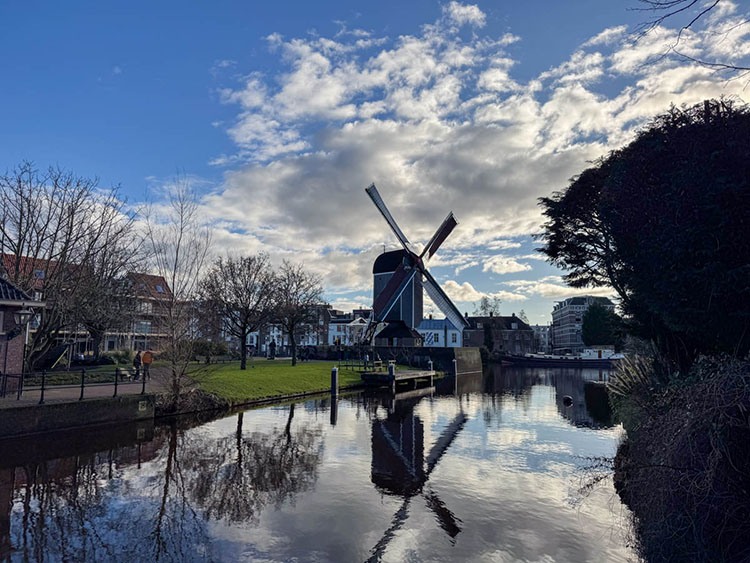
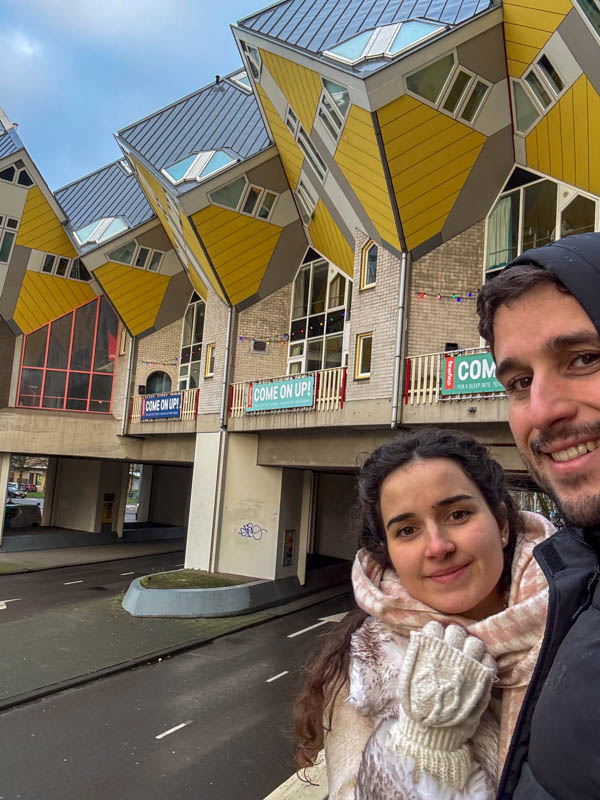
At the beginning of the year, we took a short trip to the Netherlands to visit a friend who is currently living and working there. We had visited the Netherlands several times before and always enjoyed it. This time, we spent some time exploring Leiden, which is near where our friend lives, and also visited Rotterdam.
Philippines
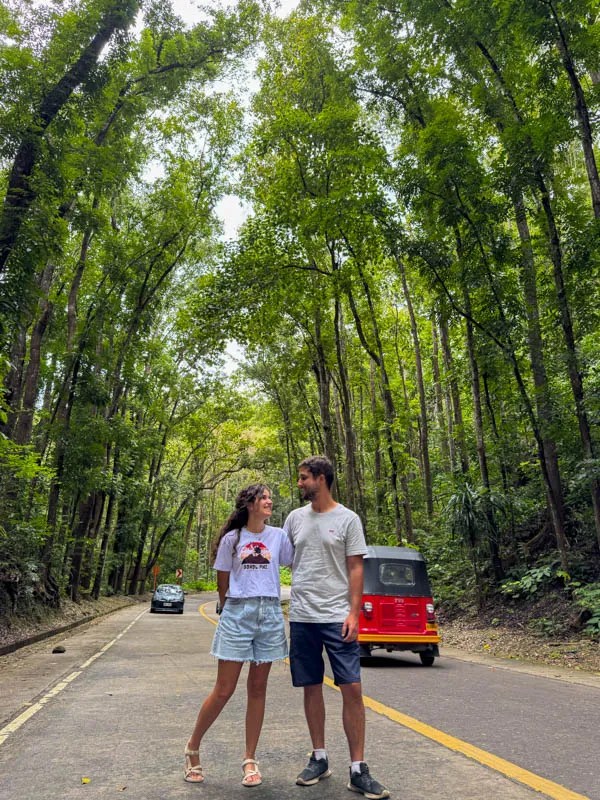
Our trip to the Philippines in February was definitely the highlight of the year. We had an incredible time exploring several islands over more than three weeks. It was such an epic journey. People were kind, friendly, humble, and welcoming to tourists. We saw stunning coral reefs (I love snorkeling, and I was amazed by what we saw there), paradise-like beaches, and so much more. I honestly have no words to describe how amazing this trip was.


I’ve written a long list of travel guides for all the islands we visited in the Philippines and articles about some of the travel experiences and tours we did there.
- Three Weeks in the Philippines – Our Itinerary
- How to Spend Four Days in El Nido: Travel Guide and Best Things to Do
- Siquijor 3-Day Itinerary & Travel Guide: Best Things to Do
- Moalboal Travel Guide: Best Things to Do & 3-Day Itinerary
- » All our Philippines Travel Guides «
Bangkok and Dubai
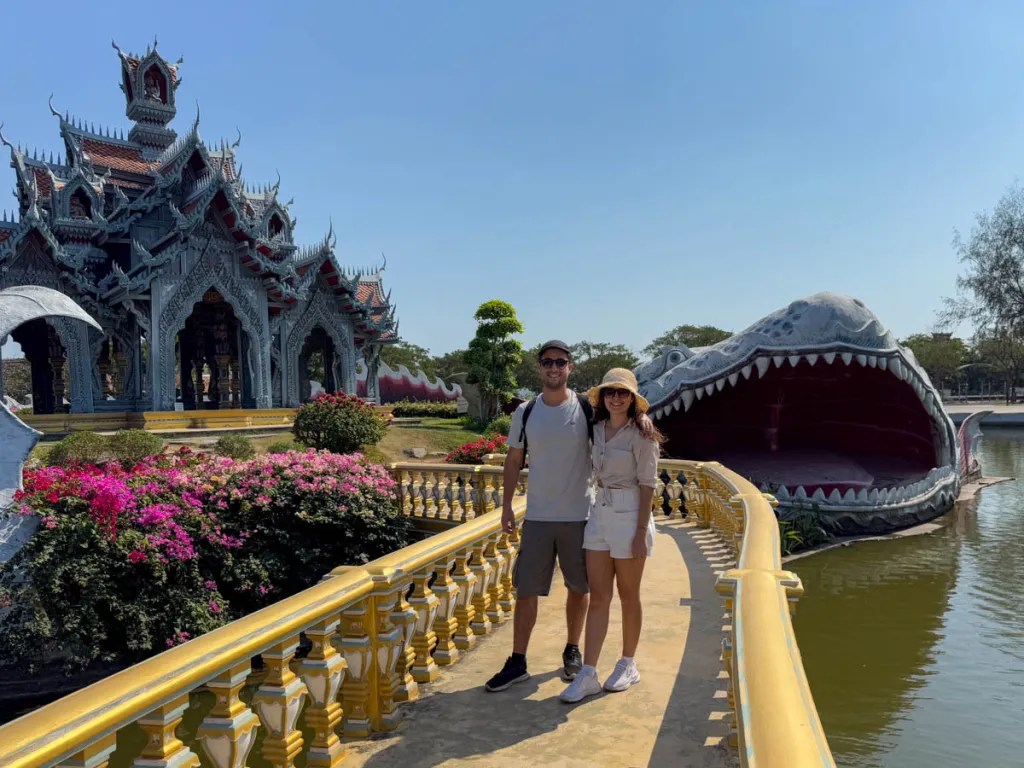
On our way to the Philippines, we made a 4-day layover in Bangkok because we’re missing the city so much (the food, the people, the chaos). As always, we had a great and we can’t wait to come back. Thailand is always a good idea.
On our way back, we made another 4-day layover, this time in Dubai. We had been there already a couple of years ago. We revisited some of our favorite places and visited some new places like the Miracle Garden, and Museum of the Future.

Kefalonia and Zakynthos, Greece
In September, at the end of summer, we went on a relaxing beach trip to Greece. We visited the islands of Kefalonia and Zakynthos. We liked Kefalonia more for its local feel, but we really enjoyed both places, especially the food.



We have a travel guide for each of the islands with our itinerary.
- Zakynthos Travel Guide: Best Things To Do and 4-Day Itinerary (with Map)
- Kefalonia Travel Guide: 5-Day Itinerary and Best Things to Do (with Map)
Our Random Thoughts
This section is a bit more personal, so if you’re only interested in the content about our blog, you can skip to the Wrapping Up section.
About AI at the moment…
Overall, this was a great year for the Random Nerd Tutorials blog. We have amazing readers and followers who give us feedback, and that really motivates us to keep going, especially in times like these, when it feels like AI is taking over the world.
Sometimes I wonder if what we’re doing is still relevant, or if our content will lose value compared to AI and LLMs. One interesting thing I’ve noticed is that many LLMs are trained on our content and many times give answers that come directly from our blog, sometimes even referencing it. That’s encouraging, and I believe things will evolve so that creators get some form of reward for this. Some companies are already testing this idea, but it’s still too early for us to try it in our blog.
Updating vs Creating New Content
This year was a bit difficult for me (Sara) in terms of content creation. Something that is really important, but that I don’t like at all, is updating content, because I could have been using that time creating new tutorials and explore new subjects. This was one of those years when it seemed that suddenly everything stopped working. There were breaking changes in the newest version of the ESP32 core (version 3), many libraries we used in our projects were deprecated, and we had to adjust to use new ones, and so on… you get the idea.
So, we spent a lot of time updating content this year. Sometimes, the same tutorial/project was updated multiple times. I admit this is something that I don’t like to do, but it’s essential to keep our tutorials working, and I’m very proud that we always have the most up-to-date content, or at least we try to.
I’ve been a bit frustrated this year because I felt I couldn’t dedicate as much time or deep focus to my work on the blog. I usually reply to our readers’ questions quickly, but this year it felt like it took me longer to give a proper answer.
Happy News and a Big Change
And now, the biggest news of the year is that we’re going to have a baby boy. Expected to be born in a couple of months. Everything is going well with me (Sara), and the baby and I haven’t experienced any issues or complications until now.
But, my first trimester was quite bad. I was constantly nauseous and hungry, and I couldn’t eat. I was sleepy and tired all the time. I couldn’t even be on the computer for more than 10 minutes without getting tired. That’s one of the reasons that I couldn’t be as productive as I wanted, and I couldn’t do many of the things I had planned. I was almost two complete months without working.
Right now, I’m getting a bit stressed because I don’t have much time to get everything done before the due date. But fortunately, I’m feeling much better. One of our biggest goals for next year is to keep up with our regular publishing schedule without missing a single week. I know it will be challenging, but we’ll try.
At the same time, we’ve been searching for a new house, and everyone who has been involved in the house search process knows how stressful it can be and how expensive things are for what they’re worth. We’ve been in this apartment for over 6 years now, and we absolutely love it here. But, we feel we need a little more space to have an appropriate office (out of our living room) and a proper living room too (that we don’t have at the moment) and other comforts that we don’t have here. This seems like the perfect moment to do the upgrade.
In the last couple of days, we decided on a house that is still under construction, which means we can choose how we want it to be finished. There will be a lot of home automation implemented in the house as we are building it from scratch. We can’t wait to see the construction progress and watch it being built.
Wrapping Up
Overall, this was a great year for the blog and for both of us. We don’t have many plans for the next year right now (besides finishing the house and taking care of a little human). We want to maintain our publishing schedule and weekly newsletters, which may be a challenge next year, but we’ll try our best.
We ask you to be a bit more patient if we’re taking longer to answer your questions at the moment and in the upcoming months.
Thank you so much for your support, for following our work, and for sharing your feedback.
Now it’s your turn to share in the comments below anything about our work, your projects, or topics you’d like us to publish.
We hope you had an amazing year, and we wish you the best for the upcoming 2026 year.
Thank you so much.
Sara and Rui.


Thanks so much Sara & Rui for putting together all of these tutorials. Your site is a go to of mine throughout the year for continuing education. I also enjoyed your e-books and I look forward to your new e-book on ESP-IDF.
Thanks and well done!
Brian(from Canada)
That’s great!
Thank you for your feedback.
Have a great year.
Regards,
Sara
Good evening Sara and Rui,
Thank you again for all your hard work. I hope you have lots of readers to encourage you to keep going. By my side, it’s always a great pleasure to read the week’s work!
I see that there is a project in the works for this new year concerning the IoT.
Perhaps the Modbus protocol and its variants?
Don’t worry, I won’t be disappointed if that’s not the case. I will continue to enjoy reading your work.
Enjoy the transition to 2026. Best wishes to you both!
Don’t worry, I won’t be disappointed if that’s not the case, I will continue to read your work with pleasure.
Hi Philippe.
Thanks for sharing your feedback.
And no, it’s not about Modbus protocol…. but that’s definitely a topic we’ve been asked for a long time too.
All the best and Happy New Year.
Regards,
Sara
Hi Guys
I just love the site and visit regularly. The ebooks are fantastic and I appreciate the updates even if they are a pain for Sara. Please keep producing the great tutorials. The style is perfect for all levels of experience. Congratulations on your big news another very special time in your life. I hope you reach your 2026 milestones but please don’t stress if things slip a little. We don’t mind waiting for such great quality content.
All the best from New Zealand
Hi.
Thank you so much for your nice words. We really appreciate them.
I’ll try not to stress about all the things we need to do in 2026 😀
All the best and Happy New Year.
Regards,
Sara
Happy New Year and Great news about your imminent boy. Don’t stress about being ‘ready’.
I’ve got to say we worried about brining up children but in the end just doing what we felt was right has worked well.
On the more technical side, I am a long time reader/follower of your tutorials and still jump back to your site when searching things.
Also I’m now a big fan of Home Assistant and can say that the frequent updates have caused very few problems. When building a project the compiler will usually give a warning about something that’s been depreciated and what to do about it, although it probably scrolls off the screen ;-). Their Discord channel is very active and you can get good responses.
Go ahead and start a project.
Dave
Hi Dave.
Thanks for your feedback.
And for the tips about Home Assistant. Let’s see if we can take a look at it next year.
Regards,
Sara
Hi Sara and Rui,
Happy New Year 2026 from Austria.
I wish you and your baby all the very best.
I can only echo the comments of the previous writers—thank you very much for all of your valuable work. It is greatly appreciated.
Best regards,
Grelm
Hi.
Thank you so much for your feedback.
All the best and Happy New Year.
Regards,
Sara
Hi Sara And Rui,
Happy New Year and woo hoo a little one coming into your lives. You will be busy. I have a 3 year old grandson who keeps me very busy when I see him.
I enjoy your tutorials and have almost all of your eBooks, they are great starting palaces for making something that suites my needs. I check your website for interesting projects almost daily.
I know you will find it difficult to balance your time between work and baby. I’ll be even more grateful for the work you do.
Good luck and thank you both.
Regards
Ed (from Australia)
Thank you so much for your nice words and for being a long time follower.
That means a lot to us.
Have a great year.
Regards,
Sara
Hello Rui and Sara.
Whenever I search the internet for a particular Arduino or ESP32 project, I often land on one of your tutorials. They are well developed, easy to follow and informative. I often wonder how you have the time to learn concepts and develop a tutorial which seems to be fast paced.
Thank-you for all your hard work. I encourage your readers to support you by browsing through your e-books and make a purchase. I have bought several.
Dennis (Canada)
Hi Dennis.
Thank you so much for following our work.
I hope you had learn a lot from our tutorials.
I wish you a Happy New Year.
Regards,
Sara
Olá Rui & Sara
Parabéns pelo EXCELENTE trabalho de divulgação de conhecimento que vocês estão realizando.
Estou ansioso pelos conteúdos de STM32. Não existe a melhor placa! Todas são excelente em função da aplicação.
Agora, seria interessante começar com bluepill ou blackpill pelo preço e facilidade de se encontrar para comprar, elas são mais populares.
Importante é focar inicialmente na HAL e nas aplicações básicas de uso da IDE.
Como sugestão, crie um e-book STM32, com certeza vai ser um sucesso como está sendo o ESP32.
Um Feliz Ano Novo com SAÚDE, PAZ e PROSPERIDADE
Olá.
Obrigada pelo feedback sobre as placas the STM32. Vou pesquisar um pouco sobre esses modelos específicos.
Tudo de bom para 2026.
Cumprimentos,
Rui e Sara
Thank you for visiting my country, Greece.
Hi.
I was a pleasure. We intend to come back and visit other places.
Regards,
Sara
I can only echo the previous comments about how very useful your site is – and I also wonder how you manage to produce so much! I have many of your books and your site is the first place I turn to when I have a new microcontroller project.
I understand entirely why you need to have advertising on your site, but I have to say I do find the amount of it very distracting. I wonder if you might consider (as many others have done) a subscription model where one could pay a small sum each month to have the advertising removed. I would pay!
Keep up the great work.
Hi.
I’m sorry for the advertising… and I understand that.
Unfortunately, it not easy to implement that subscription method to remove adds with the setup we’re currently have. But, I’ll talk to Rui about it.
Regards,
Sara
Only one thing to say – Congratulations on the forthcoming new addition to the Santos family!
Thank you so much.
Regards,
Sara
Meilleurs vœux à vous 2 pour cette nouvelle année et félicitations pour cet heureux évènement à venir. Vous allez voir, ça change la vie. Vos différents tutoriels sont vraiment une mine d’informations et je suis très admiratif du travail de vulgarisation que vous réalisez. Vous pouvez êtres fiers du travail accompli. J’ai 61 ans et je dois avouer que vous m’avez aidé, sans le savoir, à de nombreuses reprises. Je n’aurai qu’un mot : Bravo ! Continuez ainsi le plus longtemps possible pour notre plus grand bonheur.
Peut-être un tutoriel Zigbee pour 2026 avec l’ESP32 C6 ?
Je vous renouvelle tous mes vœux de bonheur de joie et de réussite.
Joël (France)
Hi.
Thank you so much for your nice words.
That’s very encouraging.
Unfortunately, at the moment, we don’t have any tutorials about zigbee. That’s also a topic many people ask us about.
All the best,
and Happy New Year.
Regards,
Sara
All the best for your pregnancy.
Thank you.
It’s all going fine so far.
Regards,
Sara
Thank you, Sara, for spending the time and effort on keeping your tutorials up to date. It is very discouraging and frustrating to jump into a new project, following the instructions somebody has put together, getting a ways into the project, and suddenly something doesn’t work. If no troubleshooting help is provided and my struggles can’t find a solution, the whole project goes into some corner to be forgotten about. I don’t find this to be the case when I’m following one of your tutorials. And, I know that if I do get stuck, I can drop you a line and get a helpful answer in a reasonable amount of time.
My wish list for tutorials:
-> More about the Uno-Q
-> The Matter Protocol for Smart Home
-> Robotics
-> MIDI over MicroPython
You have my prayers and best wishes for the new member of your family.
I appreciate your including details from your personal life in your newsletters.
Best regards from the USA,
Don Chapman
Hi.
Yes. If something doesn’t work at the moment, we like to get feedback to try to understand what happened and if we need to update the tutorials.
Sometimes, we may take longer to update depending on how busy we are at the moment or on difficult it is to find the solution.
Thanks for suggesting those topics. The Matter protocol seems to be a hot topic to cover…
Thank you for your nice words.
Happy New Year.
Regards,
Sara
Merci pour vos publications, dommage que vos livres ne soient pas traduits en Français (mon niveau d’anglais est très approximatif). Best wishes for the new year
Hi.
Thanks for your feedback.
Unfortunately, my level of French is also very limited.
You have to use some sort of translator program.
Happy New Year for you too.
Regards,
Sara
You guys are my first stop for ESP32 info! I bought your Ultimate Bundle and SO appreciate the work you put into keeping them current. I know updating can be a pain, but it does truly differentiate you from everyone else – and goes really build customer loyalty.
Congrats on the baby! Life as you know it will change, but it’s a huge (albeit sometimes frustrating) challenge. I wouldn’t trade it for the world.
A couple suggestions for 2026 tutorials?
* Arduino Maker Workshop extension for VS Code. It ROCKS.
* ESP Exception Decoder. We all have code that crashes, why not learn to use the stack trace?
* Debugging tools and best practices. Surely you guys have some tips. 🙂
Happy 2026!
Thank you much for your supports..Awaiting for your wonderful projects and codes in 2026…Best wishes..
You’re welcome.
Happy 2026.
Regards,
Sara
Hello Sara and Rui,
Happy New year and congratulations on your fantastic news, wish you luck and every happiness with your (expanding) family 🙂
A big thank you for all the hard work, the quality is fantastic and has been a great help to me.
For ideas on new projects I would like to see some examples of displaying the data created in my projects to other places. I have a current project of collecting data (temperatures, pressures, etc) and would like to display them on a mobile phone. My requirement is for displaying engine data on a 1986 motorbike. There is no room for a separate display and using the display I already have would be great and also be the case for a lot of other projects. This also goes to viewing data across the internet, I have several projects where I can see webservers on a local network, but pushing this to somewhere and be safe would be great.
Thanks again for the great resource.
Simon
Hi.
Thank you for your suggestion.
We have several examples to display data online using different technologies: Firebase, InfluxDB, ThingSpeak…. Here are some examples:
– https://randomnerdtutorials.com/esp32-esp8266-firebase-gauges-charts/
– https://randomnerdtutorials.com/esp32-data-logging-firebase-realtime-database/
– https://randomnerdtutorials.com/esp32-esp8266-firebase-bme280-rtdb/
– https://randomnerdtutorials.com/esp32-esp8266-sensor-bme280-influxdb/
– https://randomnerdtutorials.com/esp32-thingspeak-publish-arduino/
I hope this helps.
And I wish you a great new year too.
Regards,
Sara
Hello Sara,
Thank you for the links to the IoT projects. I apologise, I assumed they were for local publishing. I will take a look at the InfluxDB article as this is what I am running locally.
Any thoughts about using a phone as a display and not over the internet? 🙂
In the case of InfluxDB if you want to access it outside your network, you need to install it on an external Linux server.
Regards,
Sara
You might want to check out MIT App Inventor. It allows you to design apps on your PC that you can download to an Android phone.
Hi thanks for all the hard work and projects love them all congratulations on the baby I’ll be alot of fun shifting house
Thanks again
Jeff
Thank you so much 😀
All the best,
Sara